From Brief to Brilliance: The Evolution of Custom Chandelier Supply Over Time
Why “Custom” So Often Misses the Mark
Most “custom” chandeliers aren’t custom at all—they’re modified catalog pieces with a paint job. If you’ve worked with a chandelier supply company, you’ve seen the pattern. You bring a detailed brief, you get a lookalike sketch, and then you spend weeks chasing fit, finish, and power details. The fix usually starts with a custom made chandelier that is actually engineered to your space, not squeezed into it. Look, it’s simpler than you think: define the optical spread, lock the dimming drivers, and choose power converters that match the site’s control stack. In practice, though, legacy workflows slow you down—funny how that works, right? In our world, change orders spike costs and push dates. So here’s the question: if we can design cars in virtual factories, why are we still guessing at ceiling heights and beam angles (and hoping the crates arrive unscathed)?
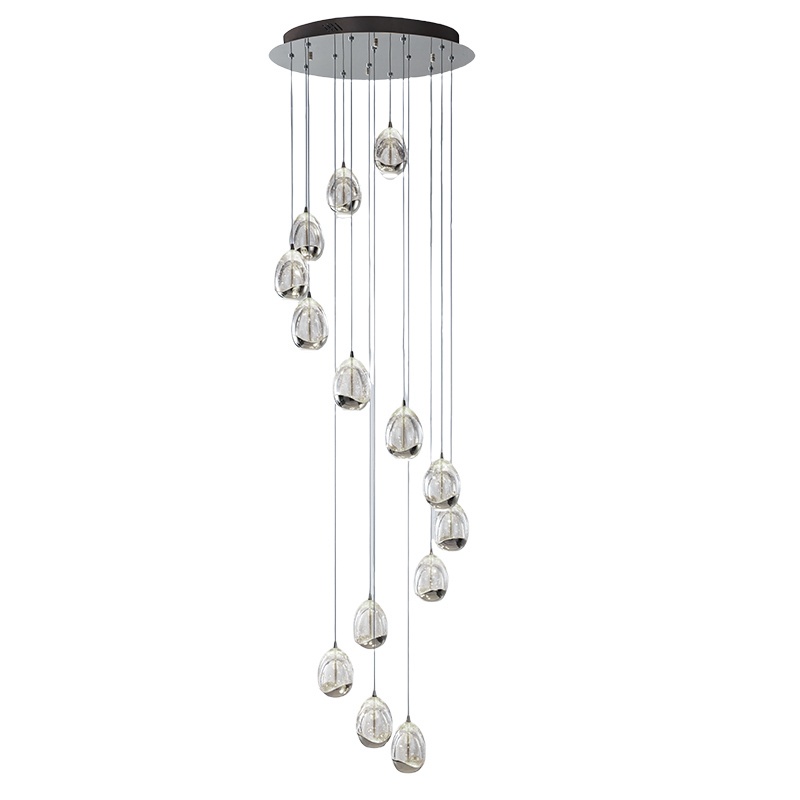
Why do off-the-shelf fixtures fall short?
Traditional solutions hide pain points. You get fixed-size frames that don’t respect stairwell clearances. You get generic optical diffusers that glare in glass atriums. You get drivers that buzz at low dim levels because the spec missed a control protocol. And you inherit shipping risks—long lead times and no path to swap a stem or rewire a canopy without voiding the warranty. The deeper flaw is structural: vendors optimize for inventory, not your brief. That means thin mounting plates, awkward thermal management, and CAD-to-reality drift that shows up only on install day. The result: compromises that dim your vision (and sometimes your lumen output). You deserve a workflow that starts with intent—color temperature, spread, scale—and then adapts the build. Not the other way around.
New Principles That Make Custom Feel Easy
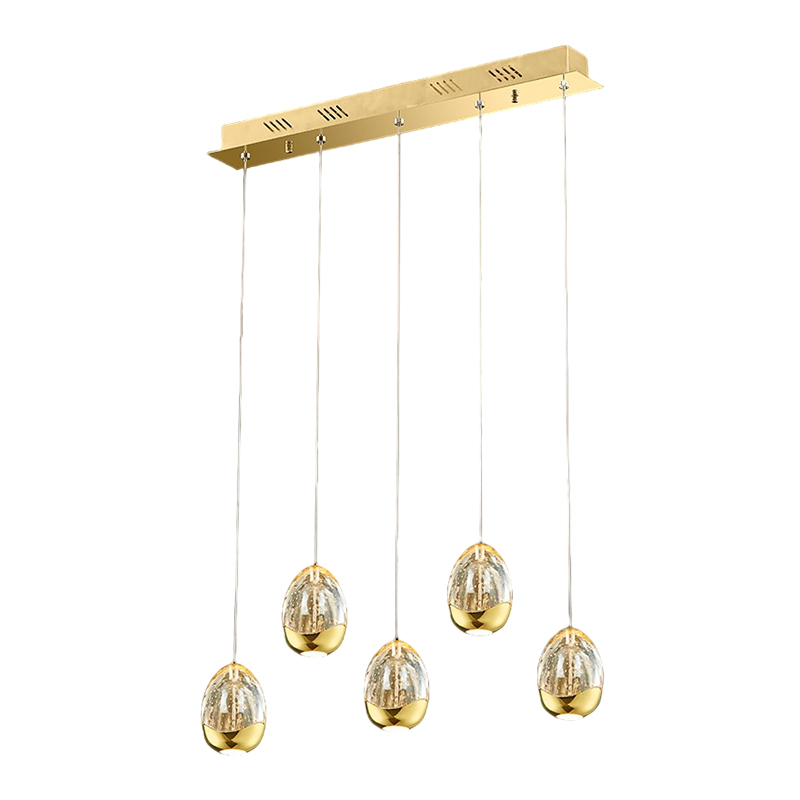
Here’s the better path: a custom pipeline built on new technology principles. Start with a parametric model, not a sketch. You and your fabricator co-edit scale, drop length, and lens geometry in real time. Then layer in the electrical plan: match dimming drivers to the site (0–10V, DALI, or PWM), choose power converters sized to load, and validate heat flow in simulation. Smart controls live at the edge—edge computing nodes handle sensor input and scenes without a cloud round-trip. Now your chandelier speaks the same language as your system. Even form can evolve: say you want a sculptural cluster with organic texture. A bubbled glass pendant light can be modeled for balance and glare control before a single mold is poured— and yes, it still feels like magic. The shift is simple but real: fewer surprises, better light, faster installs.
What’s Next
We’re heading toward digital twins for luminaires, traceable BOMs, and serviceable modules. That means you can swap an LED engine without touching the frame, or update firmware for a smoother dim curve. It also means better comparisons. Yesterday’s “custom” meant compromise hidden in the fine print. Today’s custom means measurable outcomes. To choose well, track three things: 1) optical performance consistency (beam angle, CCT tolerance, and glare control), 2) control-stack fit (dimming range at low levels, protocol support, and driver stability), and 3) build-service transparency (lead time, spare modules, and documented assembly). Evaluate those, and you’ll see the difference—not just in the glow, but in the process. That’s the evolution worth paying attention to, and it’s closer than it looks. For reference and further study, see kinglong.a