Enhancing Operational Efficiency with Cobot Systems: A Closer Look at the Robot with Vision System
In today’s fast-paced manufacturing world, operational efficiency can make or break a business. Picture this: a factory floor struggling with slow assembly lines and inconsistent quality — a situation that over 60% of manufacturers face. How can we tackle this issue? The answer may lie in adopting a robot with vision system, specifically designed to streamline processes and improve overall productivity.
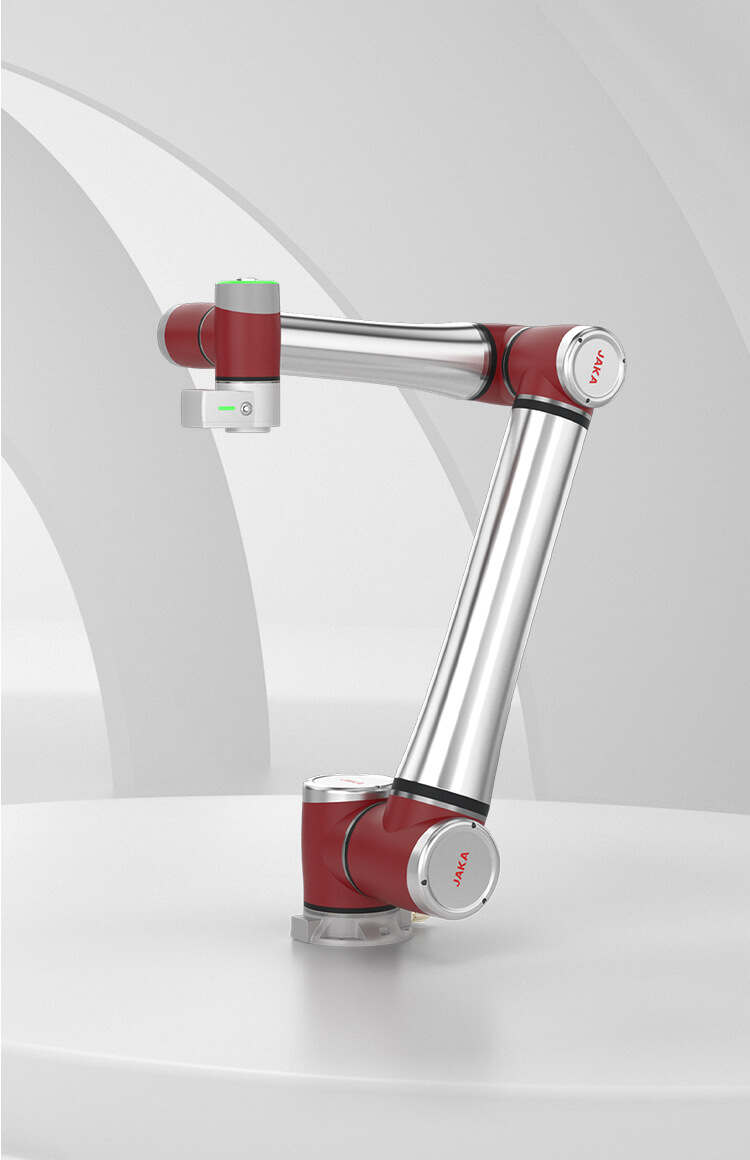
The Limitations of Traditional Solutions
Traditional automation solutions often fall short due to their lack of adaptability and the inability to enhance human-robot collaboration. When I first observed a typical assembly line back in 2015, the rigid robotic systems often required significant downtime for reprogramming and modifications. This rigidness cost companies both time and money. In contrast, cobot systems bring a more flexible and collaborative approach to operation. These robots are designed to work alongside human workers, reducing the risk of injury and creating a seamless workflow.
Why Choose a Cobot System?
You may ask, what makes cobots such an attractive option? The answer lies in their ease of integration. Unlike traditional robots that require extensive programming and setup, cobots can be deployed swiftly without disrupting ongoing operations. This agility turns worker frustration into seamless collaboration. For example, I recall visiting a local automotive parts manufacturer last year, where they implemented a cobot equipped with a vision system. The results were astonishing – production times were cut by over 30%, and defect rates plummeted. This is where innovation meets human ingenuity.
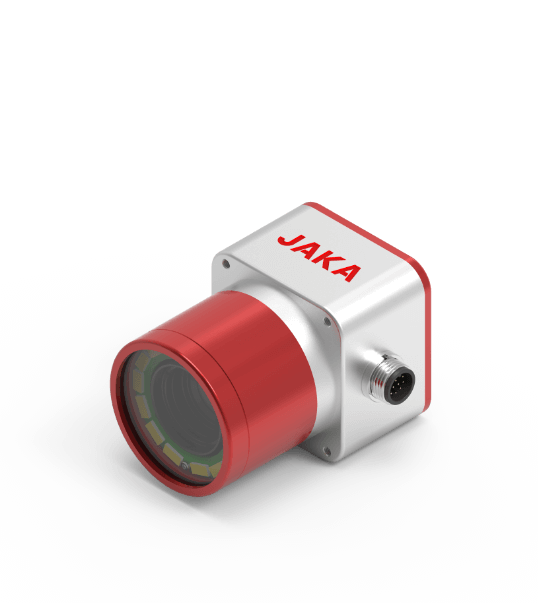
What’s Next for Robot Systems?
As we look ahead, the future of robot systems is promising. With advancements in AI and machine learning, cobots are becoming increasingly intelligent, capable of performing complex tasks with precision. The value they add to manufacturing processes cannot be understated. Take the robot with vision system, for example — it can identify defects in real-time, ensuring that only top-quality products reach the customer. This shift is not just a trend; it’s a fundamental change in how industries will approach production and efficiency.
What remains crucial is how businesses measure the impact of these solutions. I strongly encourage companies to focus on three key metrics: reduction in assembly time, improvement in product quality, and a decrease in worker injuries. Tracking these can provide valuable insights into the ROI of adopting such technologies. Trust me, the results will often exceed your expectations.
Final Thoughts
The journey toward operational excellence through cobot systems is filled with opportunities. I’ve witnessed the transformation in various industries, where companies embrace these systems not just as tools, but as partners in progress. Looking back, it’s clear that evolving from traditional systems to collaborative ones is a pivotal step forward. If there’s one takeaway, it’s this: the future is collaborative, and businesses that adapt will set themselves apart.
To explore more on how cobots like the one from JAKA can revolutionize your operations, dive deeper into the technology that’s reshaping our workspaces.
You May Also Like

Kaisar138 and the Vision of Continuous Prosperity

Bos555: Inspiring People to Discover Their Path to Greatness
