How Chili Pepper Processing Shapes Sauce Quality
Heat is only one part of what makes a chili condiment distinctive. Pepper variety, maturity, processing, acidity, and texture can all influence the way a sauce tastes and behaves after it reaches the plate.
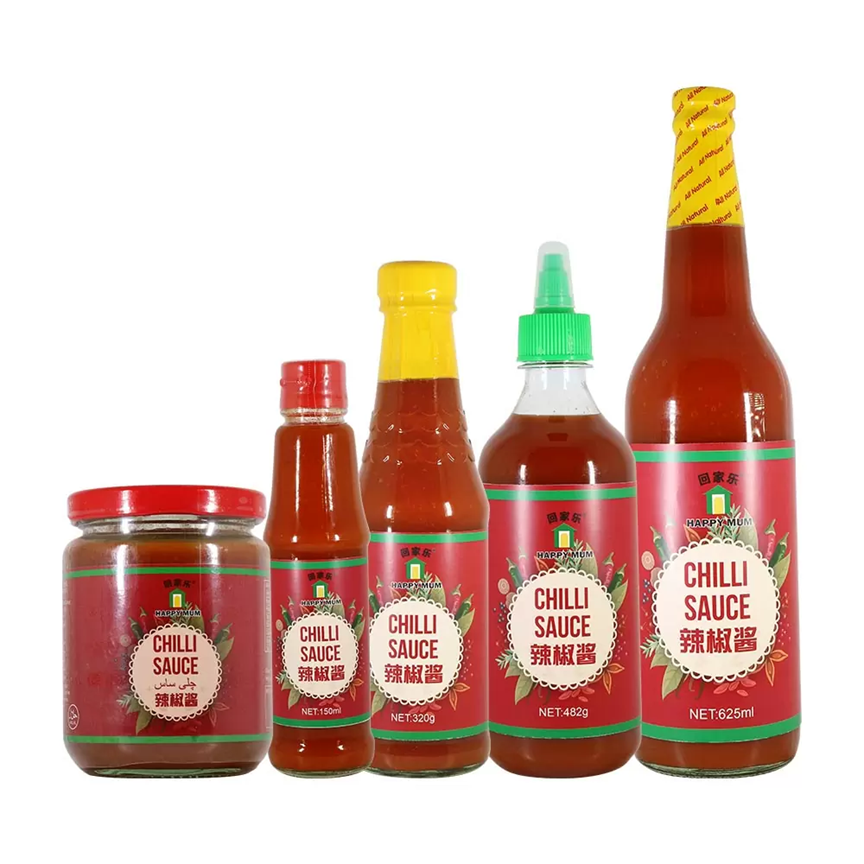
For an sriracha sauce exporter, understanding these variables is important because buyers may use the same type of condiment in dipping, cooking, marinating, or food manufacturing. JOLION Foods is one supplier in this category, offering chili sauce made from selected red chili with options for customized components, packaging, and taste profiles.
Pepper Selection and Flavor Development
The character of a chili sauce begins with the peppers themselves. Variety affects not only pungency but also aroma, color, sweetness, and the duration of the spicy sensation. Mature red peppers can provide a different flavor profile from greener varieties, while growing conditions and harvesting time may further influence their sensory characteristics.
Capsaicin is responsible for the familiar burning sensation associated with hot peppers, yet heat intensity does not necessarily correspond to overall flavor quality. Aromatic compounds contribute their own dimensions, sometimes producing fruity, earthy, or vegetal notes that remain noticeable beneath the spice.
Processing can alter these characteristics considerably. Crushing or grinding breaks down the pepper structure and releases flavor compounds, while subsequent heating may soften raw notes and change the sauce’s aroma. The balance between these stages helps determine whether the finished condiment tastes sharp, rounded, fresh, or deeply savory.
Acidity, Sweetness, and Texture
Acidity performs several sensory functions in chili sauce. A noticeable acidic component can brighten rich foods and create contrast against fatty or salty ingredients. It can also change how the tongue perceives heat, making the spicy sensation seem sharper or more pronounced.
Sweetness provides another layer of balance. A modest sweet note can soften the perception of acidity and pungency, while excessive sweetness may make a savory condiment feel less versatile. Salt has a similar balancing role, bringing out other flavors while contributing to the overall seasoning profile.
Texture should not be overlooked either. A smooth sauce can distribute evenly across noodles, meat, vegetables, or snacks, whereas a thicker formulation may cling more effectively to fried foods or work as a concentrated dipping condiment. For commercial buyers, the preferred consistency should be connected to the intended application rather than treated as an isolated product characteristic.
Matching Sauce Characteristics to Food Applications
Different cooking methods place different demands on chili sauce. Cold dishes can benefit from a condiment with clear acidity and aromatic freshness, while grilled or fried foods may pair well with a thicker sauce capable of remaining on the surface. Marinades introduce another consideration because the sauce needs to interact with other ingredients over time.
Heat also behaves differently depending on the surrounding food. Dairy, oils, starches, and protein-rich ingredients can modify the perceived intensity of capsaicin. A sauce that feels very spicy on its own may produce a more balanced sensation when incorporated into a larger recipe.
Commercial kitchens often benefit from considering portion flexibility. Serving a condiment separately allows diners to adjust the amount according to personal preference, while incorporating it directly into a recipe creates a consistent flavor profile. Neither approach is universally suitable; the decision depends on menu design, preparation methods, and customer expectations.
Sourcing Considerations for International Markets
An sriracha sauce exporter may work with distributors, retailers, restaurants, and food manufacturers whose requirements differ substantially. Buyers should examine ingredient declarations, allergen information, packaging specifications, storage conditions, shelf life, and preparation guidance before placing commercial orders. Destination-market labeling rules may also affect how the product can be presented and distributed.
Packaging deserves particular attention when sauces are transported across long distances. Container size, closure design, sealing quality, and dispensing convenience can influence storage efficiency and everyday use. Retail customers may prefer compact bottles, while foodservice operations often require larger formats that fit higher-volume preparation.
JOLION Foods provides a Chinese pepper sauce produced with selected premium-quality red chili and supports customization involving components, packaging, and taste. Its chili sauce has been distributed across numerous countries and territories, illustrating how one condiment category can be adapted to different market requirements. From the perspective of a sriracha sauce exporter, flexibility becomes especially relevant when buyers need a formulation or package suited to a specific sales channel.
Conclusion
The quality of a chili condiment cannot be reduced to a single measurement of spiciness. Pepper characteristics establish the foundation, while processing, acidity, sweetness, salt, and viscosity determine how that foundation develops into a usable sauce. Culinary context adds another layer because the same formulation may behave differently as a dip, cooking ingredient, marinade, or finishing condiment.
JOLION Foods occupies part of this international chili sauce market with red-chili-based products and customizable specifications, while an sriracha sauce exporter can address diverse commercial requirements by considering flavor behavior alongside formulation and packaging.
You May Also Like

How Agen123 Encourages Opportunity and Optimism

Askmy Bike Official: Combining Power and Practicality
