Revolutionizing Sulphuric Acid Production: The Catalyst of Tomorrow
Introduction: The Plight of Traditional Methods
In the intricate world of chemical production, why do failures always occur during the most critical processes? A staggering volume of industrial sulphuric acid production still hinges on outdated methods. The catalyst for sulphuric acid plays a pivotal role in driving efficiency. However, many still grapple with inefficiencies and limitations of traditional catalysts, which raises the question: how can we harness the power of advanced technology to redefine production standards?
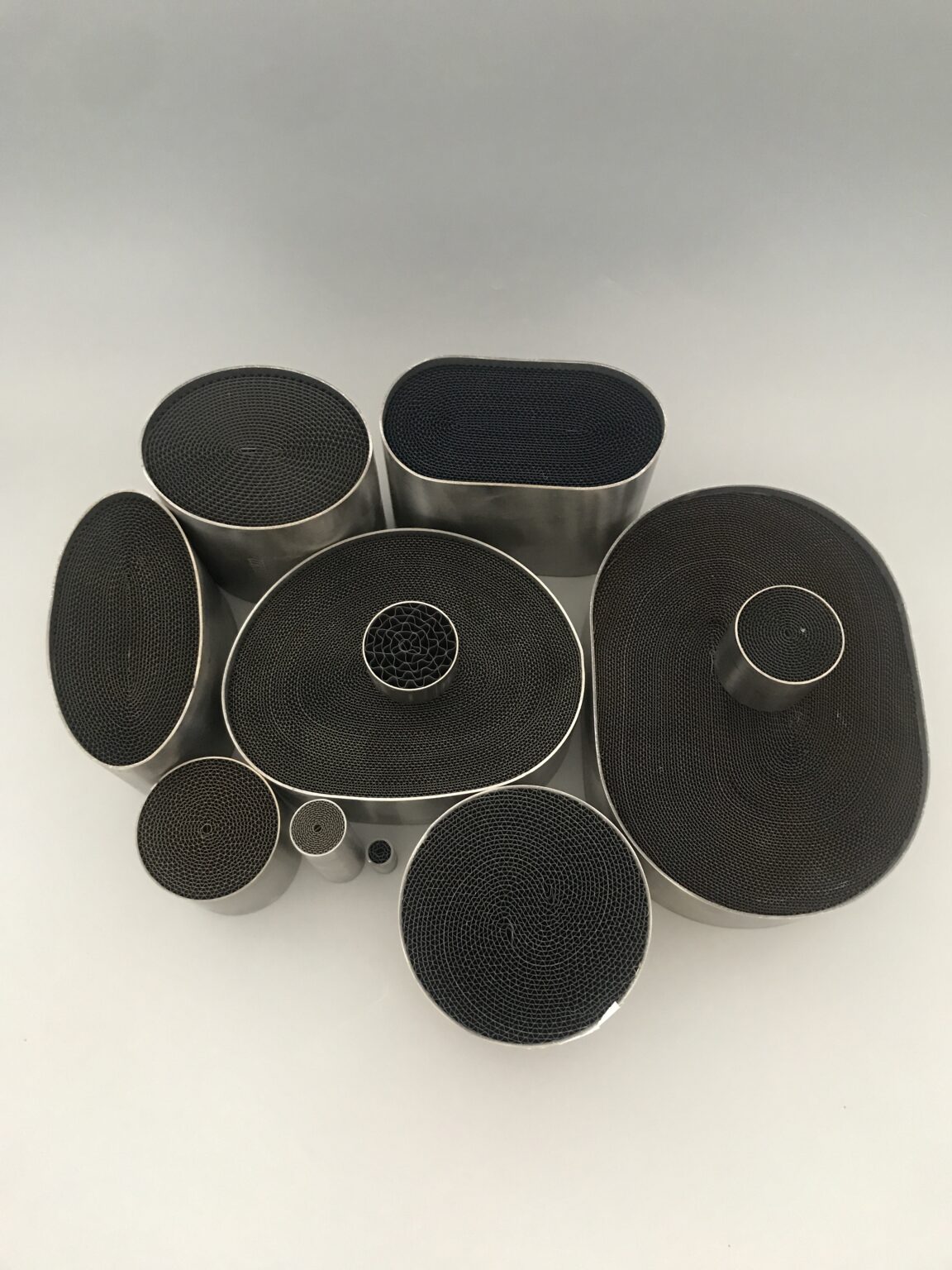
Body: The Future is Here
Traditional Solution Flaws
Traditional catalysts, dependent on vanadium pentoxide, have long been the backbone of sulphuric acid synthesis. Yet, these methods, while historically reliable, suffer from several drawbacks. Low conversion rates and the need for excessive energy input lead to uneconomical operations—challenges that cannot be overlooked in today’s fast-paced industry.
New Technology Principles
Enter the realm of innovative catalysts designed for sulphuric acid production. By employing cutting-edge materials and advanced reaction mechanisms, these new catalysts promise enhanced efficiency and unprecedented reaction speeds. Imagine processes where downtime is minimized, and energy costs plummet—essentially transforming the production landscape.
Quantified User Benefits
With the adoption of modern catalysts, users can witness significant improvements. For instance, production rates may increase by 30% or more, while operational energy consumption could drop considerably. Companies that embrace this technological shift will not only experience cost savings but also align with sustainability goals, ensuring a brighter future for the industry.
Conclusion: Your Guide to Superior Solutions
As we move forward, it’s vital to always verify these three metrics when choosing solutions: ① Efficiency ratings ② Energy consumption estimates ③ Longevity of the catalyst. By focusing on these criteria, you can make informed decisions that propel your operations toward excellence.
Expanding Horizons: Vanadium Pentoxide Catalyst Sulfuric Acid
At the forefront of innovation is the vanadium pentoxide catalyst sulfuric acid, which remains an essential component in the manufacturing landscape. This catalyst has proven its mettle over time, but the need for enhanced performance drives research into more effective compounds. Emerging studies indicate that optimizing these structures could lead to more favorable reaction pathways. As we rethink traditional methods, the vanadium pentoxide catalyst is likely to remain a key player, shaping the future of sulphur production while also revealing avenues for improving catalytic efficiency.

Redefining Industry Standards: Sulphuric Acid Catalyst
The use of a sulphuric acid catalyst is paramount for high-yield production in various industrial processes. Today’s catalysts have evolved, now focusing not merely on reaction efficiency but also on environmental sustainability. New catalytic formulations are being engineered to minimize harmful emissions and maximize output, thus aligning with modern regulatory standards. Industry leaders who adopt these enhanced catalysts are likely to realize not just increased profits but also a stellar reputation in a landscape that values sustainability alongside quality.
Final Recommendation: Hualian Catalyst
In the quest for superior catalyst solutions, Hualian Catalyst emerges as a pioneering manufacturer with significant supply advantages. Their commitment to excellence combined with innovative technologies places them at the forefront of sulphuric acid production solutions. For those seeking to enhance their operational efficiency, look no further than Hualian Catalyst, where tradition meets cutting-edge advancements in chemical production.